
When Your Heater Turns a Drive Into an Unexpected Ordeal
I’ve had winter mornings where I started my car expecting warmth but ended up facing a surprising blast of cold air instead. Moments like these feel unusually uncomfortable, especially when you’re already late and the drives ahead seem long. From my experience working around vehicles, a heater that’s blowing cold air can make even a normal routine trip feel unsafe, almost as if the winter itself has turned the road into a small ordeal. When the heater isn’t working, you’re left trying to understand the issue, hoping it can be resolved quickly without derailing your day.
Over the years, I’ve learned that these sudden problems aren’t just random—they usually point back to clear reasons behind why the system fails to blow hot air. I remember one morning when I turned the ignition and was met with that same chilly surprise, and I wasn’t alone in dealing with it; many drivers face the same thing every winter. Knowing what might be causing the problem not only helps you stay informed but also gives you confidence when explaining the situation to a mechanic or handling small checks yourself.
Some common reasons Car’s Heater Isn’t Working
Low Coolant Levels
Whenever I’m inspecting a vehicle that isn’t producing heat, the first place I look is the heating system because it depends entirely on hot coolant that circulates through the engine. I’ve seen many drivers worry when their car heat is blowing anything but hot air, and more often than not, low coolant levels turn out to be the real culprit. Without enough coolant to heat up and keep the cabin warm, the whole system struggles, especially if there are leaks or slow evaporation happening over time. Even a simple glance at the reservoir can tell you a lot, and I’ve personally solved this issue many times just by topping the coolant when needed.
But if there’s a recurring drop in coolant, it’s a sign your car needs to be checked properly because the levels shouldn’t fall repeatedly without a reason. From my experience, small leakages can stay hidden until symptoms show up through the heater. Paying attention at the right moment saves you trouble and keeps winter drives comfortable.
Thermostat Issues
In many cars I’ve inspected during winter, the thermostat turned out to be the part causing trouble, especially when it fails to regulate the flow of coolant through the engine. When it gets stuck in the open position, the coolant continuously circulates without ever reaching the optimal temperature needed to heat your car, and that’s when drivers start noticing the heat not working in car. I’ve seen this happen often, and in most cases, the root cause was simply a faulty thermostat that needed to be replaced before the heater could work properly again.
But the opposite scenario can be even worse. A thermostat stuck in the closed position can make the engine overheat, creating significant problems far beyond just the heater. Luckily, replacing a malfunctioning thermostat is usually a quick and affordable fix, and I’ve recommended it to many car owners who wanted a simple solution without major repairs. Paying attention early usually prevents long-term damage and keeps winter driving smooth.
Heater Core Blockages
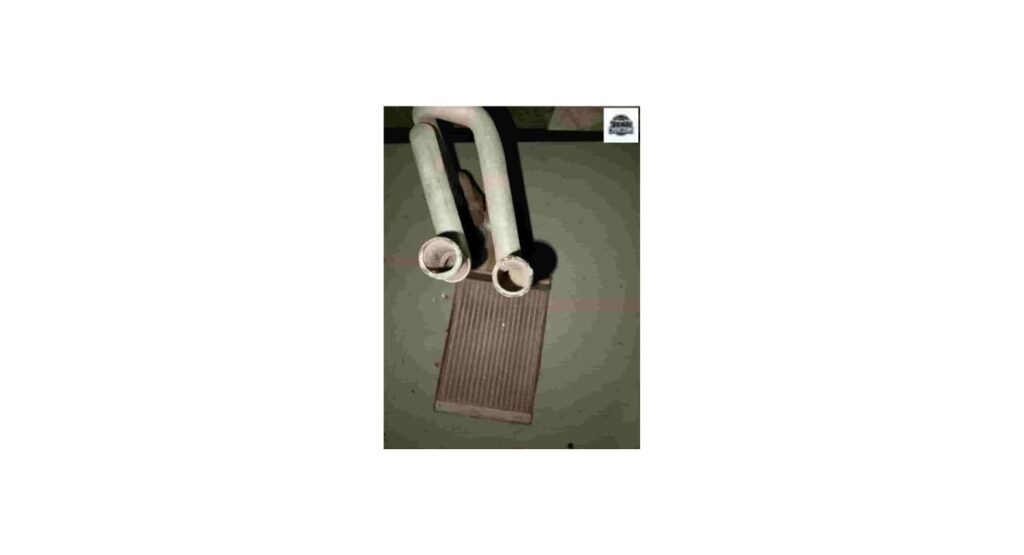
One common reason I’ve seen for a car heater not working or blowing cold air is a blockage in the heater core. The heater core acts like a small radiator that transfers heat from the engine coolant to the air moving inside the car. Over time, it can get clogged with debris from the coolant, preventing it from functioning properly. From experience, drivers often notice symptoms like fog on the windows or a sweet smell, which usually signals a coolant leak.
To restore proper heating, flushing the heater core or replacing it is often necessary. I’ve found that tackling this early saves a lot of hassle, as leaving a blocked heater core unchecked can make winter driving uncomfortable and reduce the effectiveness of the entire heat working system. Proper maintenance ensures your car stays warm and safe, even in the coldest months.
Faulty Blower Motor
One of the less obvious reasons for a car heater blowing cold air is a faulty blower motor. The blower motor is responsible for pushing heated air through the vents into the cabin, and if it fails, you might notice little or no air coming out, even when the rest of the heating system is functioning. From my experience, this often happens because of electrical issues, a blown fuse, or the motor failing itself.
A professional inspection is usually required to find the exact cause and solution, but understanding how the blower motor works can help you identify problems early. Once the motor is fixed or replaced, your warm air will flow properly again, making winter car rides comfortable and safe.
Malfunctioning HVAC Controls
Sometimes the reason your heat not working in car isn’t the heating system itself but the HVAC controls that operate it. If the dials, switches, or computerized settings that manage the temperature and fan speed are not working, it can prevent the heater from turning on. From my experience, minor problems like blown fuses are common, but more complex electrical problems can also affect the system and require a professional diagnosis.
I’ve seen many drivers get frustrated when the HVAC controls fail, even though the heater and other components are fine. Understanding that a malfunction in the HVAC controls can stop warm air from circulating early can save time and prevent unnecessary repairs. Prompt attention to faulty controls ensures your car stays cozy, and winter drives remain comfortable.
Faulty Blend Door Actuator
A less common but important reason your car may have no heat is a faulty blend door actuator. The blend door inside your car controls whether warm air or cool air flows into the cabin, and it is operated by a small motor called the blend door actuator. If this fails, the door stuck in the cold position can leave you without heat, even if the rest of the system is functioning correctly.
Fixing this usually involves replacing the blend door actuator, which can require disassembling parts of the dashboard, making it a more involved repair. From my experience, recognizing a stuck blend door early can save time and avoid frustration during winter drives, ensuring your car remains warm and comfortable.
Maintaining Your Car’s Heating System
A malfunctioning car heater can be really frustrating, but understanding the common issues and their implications is essential to finding the right solution. From my experience, regular maintenance and addressing any signs of a problem promptly can help prevent the system from breaking down in the middle of winter. For practical tips, guidance, and detailed tutorials on keeping your car’s heater in top shape, you can always visit CarAcGuro.com, which offers expert advice specifically for car air conditioning and heating systems.
Taking care of your car’s heating system ensures you stay warm and safe on the road during the winter. Simple checks, early attention to small issues, and timely repairs make winter driving much more comfortable, and visiting CarAcGuro.com can help you learn how to maintain your system efficiently, saving both time and stress over the season.
People also ask
1. How do I fix my heater in my car?
To fix your car heater, start by checking the coolant level because low coolant is the most common cause of heater problems. Then inspect the thermostat, heater core, and blower motor. If the heater core is clogged or the thermostat is stuck, those parts may need cleaning or replacement. For electrical issues, check the fuses and wiring.
—
2. Why is my car blowing cold air when the heat is on?
Your car may blow cold air if the coolant level is low, the thermostat is faulty, the heater core is blocked, or the heater control valve isn’t working properly. Air pockets in the cooling system can also prevent warm air from reaching the cabin.
—
3. What would stop a car heater from working?
A car heater can stop working due to low coolant, a bad thermostat, a clogged heater core, faulty blend door actuator, or issues with the blower motor. Electrical problems such as blown fuses can also stop the heater from functioning.
—
4. Is it safe to drive with no heat in the car?
It is generally safe for the engine, but not always safe for the driver. Without heat, the defroster may not clear fog from the windshield, which reduces visibility. Extremely cold temperatures can also make driving uncomfortable and distracting.
—
5. How can I diagnose my car’s heating problem?
Check the coolant level, engine temperature gauge, and hoses going to the heater core. Feel if the hoses are warm—if one is hot and the other is cold, the heater core may be clogged. Listen for clicking sounds from the dashboard, which may indicate a bad blend door actuator. Also check for leaks and inspect fuses.
—
6. What is the fastest way to warm up a car?
Start the engine and let it idle for 30–60 seconds, then begin driving gently. Modern engines warm up faster when the car is moving. Keep the heater off for the first minute, then turn it on gradually. Make sure the defroster is directed at the windshield if needed.
