

At CarAcGuro, we understand how scorching the summer heat can get—especially when you’re stuck in traffic or driving long distances. A well-functioning car air conditioning (AC) system isn’t just about comfort; it’s about safety, focus, and efficiency. Based on my extensive workshop experience, I’ve seen how small habits and regular maintenance can make a huge difference in your car’s cooling performance.

When your car AC system isn’t performing optimally, even short trips become frustrating. Weak airflow, warm air, or foul smells can turn a pleasant drive into a struggle. The key to a consistently cool ride is regular inspection, cleaning, and preventive care. Before every summer season, check the AC pressure, refrigerant levels, condenser condition, and air vents to ensure your system is ready to beat the heat.
Below are the top Car AC Maintenance Tips for the summer every driver should follow to keep their cooling system in perfect shape throughout the year.
Car AC Maintenance tips
Clean or Change Your Cabin Air Filter
One of the easiest and most effective Car AC Maintenance Tips is to clean or replace your cabin air filter regularly. This filter traps dust, dirt, and pollen from entering your car’s interior. Over time, it becomes clogged, reducing airflow and forcing your AC system to work harder.
If the airflow from the vents feels weak or if you notice a musty odor, your cabin air filter might be due for cleaning or replacement. Most modern cars have this filter located behind the glove box, while older vehicles may require removing parts of the dashboard.
Tip: Always refer to your owner’s manual for the correct location and replacement procedure. A clean filter ensures better air circulation, reduces strain on the blower motor, and keeps the cabin air fresh and allergen-free.
Extra Advice: If you frequently drive on dusty roads or in urban pollution, clean your cabin filter every 6 months or replace it once a year for maximum efficiency.
Maintain Your Engine’s Cooling System
Your car’s cooling system works hand-in-hand with your air conditioner. The radiator and coolant keep engine temperatures under control, which directly impacts AC performance. When the radiator is dirty or blocked, the engine runs hotter—and a hot engine makes it harder for your AC compressor to cool effectively.
Tip: Flush the radiator and replace the coolant according to the manufacturer’s recommendation—usually every 2 years. Use a proper coolant mixture (50/50 water and antifreeze) for balanced heat dissipation.
A clean radiator not only maintains engine temperature but also prevents AC overload and improves fuel economy. This means your car runs cooler, smoother, and more efficiently—especially during long summer drives.
Pro Tip: Check the coolant reservoir regularly. If levels are low or you notice rust or debris in the coolant, it’s time for a system flush.
Inspect the Fan Belt (Drive or Serpentine Belt)
Your fan belt—also known as the serpentine belt—is the unsung hero of your car’s AC system. It drives multiple components, including the AC compressor, water pump, and alternator. If it’s worn, cracked, or loose, it can cause your AC to malfunction or fail entirely.
Tip: During every oil change, inspect the fan belt for cracks, fraying, or glazing. If you hear squealing noises when you start the car or turn on the AC, that’s a warning sign.
Replacing the belt on time ensures consistent cooling and prevents sudden breakdowns. Modern belts usually last 60,000 to 100,000 km, but extreme heat and wear can shorten their lifespan.
Expert Insight: Mechanics often check the belt tensioner and pulleys too, as these parts help maintain proper belt alignment and prevent slippage.
Turn Off the AC Before Shutting the Engine
A little-known but professional Car AC Maintenance Tip is to turn off your AC before switching off the ignition. Keeping the AC on when you stop the engine leaves electrical components like the blower motor and compressor clutch under strain.
Tip: Switch off the AC a few seconds before shutting down the engine. This allows the system pressure to stabilize and protects the battery from unnecessary load when restarting the car.
This simple practice extends the life of your AC compressor, protects the electrical circuit, and reduces startup stress on the engine.
Extra Tip: When restarting the car, wait a few seconds before turning the AC on—especially on hot days. This lets the engine idle smoothly before handling extra electrical load.
Park in the Shade
Parking your car directly under the blazing sun heats up the cabin and dashboard, making your AC work twice as hard to cool things down. Over time, this extra stress can affect compressor performance and refrigerant efficiency.
Tip: Whenever possible, park under trees, in covered garages, or shaded spots. If shade isn’t available, use a windshield sunshade or reflective visor to block direct sunlight.
Bonus Advice: You can slightly open your car’s windows (half an inch) to allow hot air to escape. This prevents heat buildup and reduces the initial cooling load on your AC system.
By minimizing interior heat, you not only enhance AC efficiency but also extend the lifespan of interior materials like leather, plastic, and dashboard components.
Don’t Max Out the AC Immediately
When you start your car on a hot day, resist the urge to set your AC to the coldest temperature immediately. This sudden demand puts strain on your AC compressor, blower motor, and cooling coils.
Tip: First, open the windows for 30–60 seconds to release trapped hot air. Then, switch on the AC at a moderate setting and gradually lower the temperature as the cabin cools.
This method not only cools your car faster but also improves fuel efficiency. Sudden temperature shocks can also cause evaporator coil condensation, leading to moisture and odor issues.
Extra Advice: Use the recirculation mode once the cabin is cool. It keeps already-cooled air circulating, reducing the compressor’s workload and saving energy.
Keep Your AC Active Weekly
Even during winter or rainy months, your car air conditioning system needs to be active. Running the AC for at least 10 minutes every week keeps the refrigerant circulating, lubricates seals, and prevents parts from drying out.
Tip: Turn on the AC once a week, even if you don’t need cooling. Set it to defog or defrost mode for 10 minutes. This helps clear moisture, prevent mildew buildup, and maintain optimal system pressure.
Regular use also ensures that the compressor clutch and internal valves stay flexible, preventing future mechanical failure.
Pro Mechanic Insight: A dormant AC system can develop refrigerant leaks because the seals shrink without proper lubrication. Keeping it active is a simple preventive step.
Schedule Regular Professional Maintenance
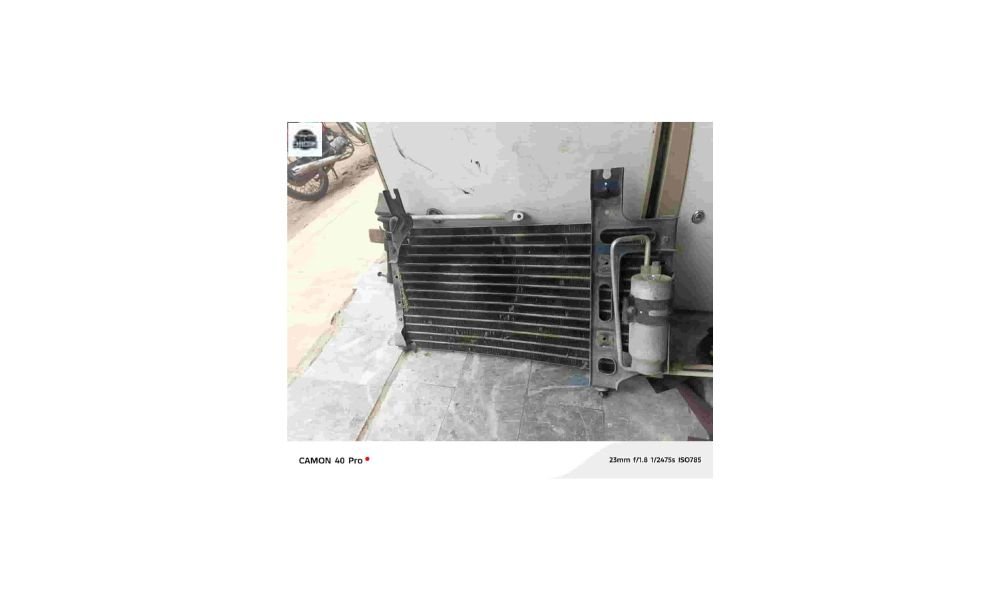
Even with DIY care, your car’s AC system needs professional servicing. A trained mechanic can check refrigerant pressure, inspect for leaks, and clean vital parts like the evaporator coil, condenser, and drain lines.
Tip: Get a full Car AC service once a year—ideally before summer begins. A proper service includes checking refrigerant levels, cleaning filters, inspecting belts, and ensuring the compressor is operating efficiently.
Benefits of Professional AC Servicing:
- Detects refrigerant leaks early.
- Restores lost cooling performance.
- Removes fungus or mold from the air ducts.
- Prevents expensive compressor failure.
Expert Advice: Always choose an authorized workshop that uses the right refrigerant gas (R134a or R1234yf) and certified equipment. Cheap refills can damage the system and affect cooling quality.
Check for Unusual Noises or Odors
Unusual sounds or smells coming from your AC vents often indicate hidden issues. A clicking or rattling noise might suggest a failing compressor clutch or loose belt, while musty odors usually mean mold or bacterial growth inside the system.
Tip: Use a disinfectant spray or an AC cleaning foam to clean the evaporator coil and air ducts every few months. If noises persist, get the system inspected to prevent expensive damage.
Ignoring small signs can lead to major AC breakdowns or poor air quality inside your vehicle.
Monitor Refrigerant Levels and Pressure
The refrigerant (also known as AC gas) is the heart of your cooling system. Low refrigerant levels cause warm air, while overcharging can damage the compressor.
Tip: Have your AC pressure and refrigerant level checked professionally once a year. If cooling performance drops or you notice hissing sounds, there may be a refrigerant leak.
Keeping refrigerant levels optimal ensures consistent cooling, prevents moisture buildup, and enhances the compressor’s lifespan.
Keep Your Car AC Performing Efficiently All Year
A well-maintained car AC system is the key to year-round comfort and efficiency. By following these Car AC Maintenance Tips, you’ll ensure better cooling performance, lower fuel consumption, and longer component life.
Regular cleaning, proper usage habits, and professional servicing not only keep you cool but also protect the environment by reducing refrigerant waste and emissions.
Whether you’re facing extreme summer heat or humid winter conditions, your car deserves consistent care. A well-serviced AC system means fresher air, smoother rides, and a cooler journey—always with CarAcGuro by your side.
FAQs – Car AC Maintenance Tips for the Summer
What maintenance does a car AC need?
Regular car AC maintenance includes checking the refrigerant level, inspecting belts and hoses, cleaning the condenser, and replacing the cabin air filter. It’s also important to ensure the compressor is working properly and there are no leaks in the system. These steps help your air conditioner perform efficiently, especially during the summer heat.
What maintenance is required for AC?
Your car’s AC requires periodic servicing, refrigerant top-ups, cleaning of air vents, and checking for any unusual noises or odors. Proper AC maintenance ensures better cooling performance and prevents expensive breakdowns when temperatures rise.
Is car AC flush necessary?
A car AC flush is necessary if your system has been contaminated by debris, sludge, or metal particles due to compressor failure. Flushing removes these impurities, preventing damage to the new parts and improving the system’s overall cooling efficiency.
What is the 3-minute rule for AC?
The 3-minute rule means allowing your AC compressor at least three minutes to rest after turning it off before restarting. This pause lets the refrigerant pressure stabilize, preventing compressor strain and extending the life of your air conditioning system.
What are the 7 elements of preventive maintenance?
The 7 elements of preventive maintenance include:
1. Regular inspections
2. Cleaning and lubrication
3. Timely replacement of worn parts
4. System testing and calibration
5. Record keeping
6. Performance monitoring
7. Safety checks
Applying these elements to your car AC maintenance keeps your cooling system reliable throughout the summer.
What is routine AC maintenance?
Routine AC maintenance involves periodic inspections, replacing filters, cleaning condenser coils, and checking refrigerant levels. Performing these tasks ensures steady airflow, consistent cooling, and long-term protection against major AC failures.

