
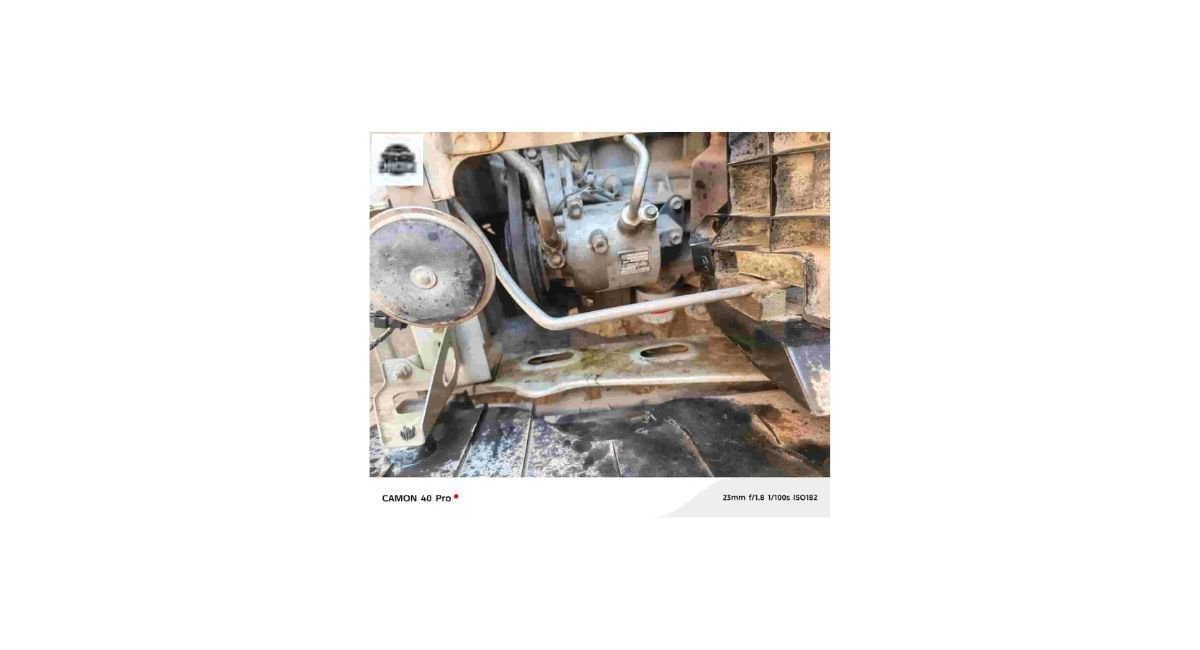
When your car’s AC compressor starts to fail, your comfort behind the wheel begins to disappear—especially during hot weather. I’ve seen countless vehicles where small issues like weak airflow or warm air were actually early warning signs of car AC compressor failure.
Ignoring these signs can cause complete compressor breakdown, high repair costs, and reduced engine performance. The key to avoiding this is simple—detect the problem early and maintain your AC system regularly.
The Crucial Role of the Car’s AC Compressor
The AC compressor acts as the heart of your car’s air conditioning system. It pumps and circulates refrigerant gas through the system, allowing heat and humidity to escape the cabin. This process converts low-pressure gas into high-pressure refrigerant, delivering cool air to your car interior.
When the compressor starts to fail, this cycle gets disrupted. The refrigerant flow weakens, and you end up with lukewarm air instead of a refreshing breeze. That’s why it’s vital to understand how the compressor works and to recognize when it’s starting to malfunction.
9 Common Causes Behind Car AC Compressor Failure
Below are the most frequent reasons for compressor malfunction. Addressing these causes can help you prevent total system failure.
1. Refrigerant Leaks
Refrigerant leaks are among the top causes of compressor failure. Rubber seals and hoses can wear out over time, allowing refrigerant to escape. When refrigerant levels drop, the compressor is forced to overwork, causing internal wear and eventual failure.
Minor cracks in AC lines or fittings can create pressure imbalances. Detecting and fixing these early will prevent total system breakdown.
2. Contaminants in the System
Moisture, dirt, and debris can enter the system and cause internal corrosion. Moisture reacts with refrigerant to form acids, which damage the compressor from inside.
Dust and foreign particles also clog filters and expansion valves, reducing refrigerant flow and efficiency. Regular maintenance helps eliminate these contaminants and keeps your system healthy.
3. Excessive Pressure
Blockages in the expansion valve or orifice tube can create high pressure, stressing compressor components. Overcharging the AC with refrigerant also causes the same issue.
To prevent this, use only the manufacturer-recommended refrigerant and ensure proper system pressure.
4. Lack of Lubrication
Your AC compressor relies on special oil mixed with refrigerant to reduce friction. Low oil levels or incorrect oil type can lead to component seizure.
Always verify the oil level and type during refrigerant refilling to maintain smooth operation.
5. Age and Natural Wear
Over years of use, seals harden, bearings loosen, and internal parts degrade. This natural wear leads to declining performance.
Routine inspection of older compressors helps detect wear early, avoiding total failure.
6. Electrical Issues
The AC clutch engages the compressor when cooling is needed. Electrical faults in the clutch, fuse, or wiring can stop engagement.
If your compressor doesn’t activate when you turn on the AC, check for electrical issues before assuming it’s a mechanical failure.
7. Poor Maintenance
Neglecting regular AC servicing leads to clogged filters and contaminated refrigerant. This forces the compressor to work harder, increasing wear.
Regular cleaning, filter changes, and system checks are the best ways to extend your compressor’s lifespan.
8. Excessive Use
Constant use of the AC on maximum settings accelerates compressor fatigue. Continuous operation prevents cooling cycles from stabilizing.
Allowing the system to rest and cycle properly keeps internal temperatures balanced and prolongs compressor life.
9. Environmental Factors
Extreme weather conditions affect compressor performance. In hot climates, the compressor works harder; in cold temperatures, seals may weaken.
Regular seasonal AC inspections ensure reliability throughout the year.
Main Warning Signs of Car AC Compressor Failure
Identifying these symptoms early can save you from major expenses. Here are the most common warning signs of car AC compressor failure every driver should watch for.
Weak or Warm Air
If your AC blows weak or warm air learn more about How often you should service your car ac, it usually means the compressor isn’t generating enough pressure. This is often the first visible warning sign of trouble.
Addressing this issue promptly can prevent total failure and maintain steady cooling.
Loud or Unusual Noises
Rattling, grinding, or squealing sounds indicate internal wear. Failing bearings or broken parts inside the compressor cause these noises.
Seek professional inspection immediately to avoid a costly replacement.
AC Clutch Not Engaging
The AC clutch connects the compressor to the engine’s drive belt. If it doesn’t engage, you’ll hear no “click” when turning on the AC.
This may be due to clutch wear, bad wiring, or electrical failure—one of the sure warning signs of car AC compressor failure.
Leaking Refrigerant
Puddles or oily stains under your car could signal refrigerant leaks. Leaks reduce cooling performance and cause the compressor to overheat.
Fixing leaks promptly keeps pressure balanced and prevents severe compressor strain.
Increased Engine Load
If your engine feels sluggish or consumes more fuel when the AC is on, your compressor may be seizing up.
A struggling compressor adds drag to the engine belt, decreasing performance and efficiency.
Visible Physical Damage
Inspect the compressor for dents, cracks, or oil stains. Physical damage almost always leads to leaks and reduced cooling.
Routine inspections during oil changes can catch these early.
Foul or Musty Odors
A bad smell from vents means moisture or bacteria buildup. This contamination stresses the compressor and decreases cooling.
Replacing cabin filters and cleaning the AC duct system restores air quality and compressor efficiency.
Expert Tips to Prevent Compressor Failure
Preventive maintenance goes a long way in extending the life of your car’s AC compressor. Here’s what experts recommend:
- Schedule AC servicing at least once a year.
- Use only manufacturer-approved refrigerant and oil.
- Run the AC for 10 minutes weekly (even in winter) to keep seals lubricated.
- Clean condenser fins and cabin filters regularly.
- Address leaks or weak airflow immediately.
Following these steps ensures consistent cooling performance and saves you from expensive repairs.
Conclusion
Understanding the warning signs of car AC compressor failure helps you act before a small issue turns into a costly repair. Weak airflow, loud noises, or non-engaging clutches are not minor inconveniences—they’re early alerts that your compressor needs professional care.
A healthy compressor guarantees efficient cooling and smoother engine performance. If you notice any of these symptoms, consult an expert mechanic or visit CarAcGuro for an inspection.
With timely maintenance and quick diagnosis, you can keep your car’s air conditioning system cool, reliable, and long-lasting.
FAQs (Warning Signs of Car AC Compressor Failure)
Q1: How to tell if an AC compressor is bad for a car?
A1: A bad car AC compressor can show signs like weak or warm airflow, unusual noises, the AC compressor clutch not engaging, and frequent compressor trips. Observing these warning signs early helps prevent costly repairs and keeps your AC system efficient.
Q2: How do I know if my AC compressor is bad or needs recharge?
A2: If your AC isn’t cooling properly, makes strange noises, or the system frequently trips, the compressor may be failing or low on refrigerant. Frequent compressor trips are also a clear warning. Proper inspection can determine whether a recharge or repair is needed.
Q3: What is the most common cause of car compressor failure?
A3: The most common causes include low refrigerant levels, worn-out clutch, electrical issues, and lack of maintenance. Continuous strain, debris in the system, and frequent compressor trips can all lead to failure. Timely maintenance prevents major damage.
Q4: What happens if an AC compressor fails in a car?
A4: When an AC compressor fails, the system may stop producing cold air, airflow may weaken, and other components like the condenser or evaporator can get damaged. Frequent compressor trips indicate stress on the system and ignoring them can result in expensive repairs.
Q5: How to test your car AC compressor?
A5: You can test a car AC compressor by checking if the clutch engages, inspecting refrigerant levels, listening for unusual noises, and noting any frequent compressor trips while the AC is running. A professional technician can perform a more thorough test using pressure gauges and diagnostic tools.
Q6: How to diagnose a weak car AC compressor?
A6: Signs of a weak compressor include insufficient cooling, frequent system cycling, strange noises, warm air from vents, and repeated compressor trips. Inspecting refrigerant levels, listening for compressor sounds, and checking clutch engagement are effective ways to diagnose issues early.

